
Artificial Intelligence in Medicine and Physical Therapy
Summary
This article examines how AI is transforming physical therapy through data-driven diagnostics, personalized treatment plans, VR-enabled rehab, remote care, and automated administration. It explains key technologies—machine learning, wearables, and predictive analytics—and applications like movement/gait analysis and documentation. Benefits include greater accuracy, efficiency, accessibility, and engagement, while challenges span cost, training, privacy, ethics, and system integration. It also highlights future trends and offers practical steps for responsible adoption in clinical practice.
The Evolution of Artificial Intelligence in Healthcare
The history of artificial intelligence in healthcare dates back several decades. It began with simple data processing systems. Over time, it has evolved into sophisticated tools.
AI's journey in healthcare is marked by significant milestones. Early adoption included basic decision support systems. Now, AI can learn and adapt independently.
Technological advancements have accelerated AI's growth. Increased computing power enables complex algorithms to process vast datasets. This allows for more accurate predictions and insights.
AI applications are expanding across various healthcare domains. It aids in diagnostics, treatment planning, and administrative efficiency. Its versatility drives widespread adoption.
Machine learning and natural language processing are critical components of AI. They enhance AI's capabilities in interpreting medical data and understanding human language. As these technologies improve, so does AI's effectiveness.
Recent years have witnessed an explosive growth in AI use. Innovations continue to emerge, promising more opportunities for improved patient care. The potential for AI in healthcare is immense and growing.
The evolution of AI in healthcare reflects broader technological trends. As AI matures, healthcare continues to benefit from its capabilities. The promise of AI in transforming healthcare is becoming increasingly evident.
Key Milestones in AI Development:
- Early decision support systems introduced.
- Rise of machine learning techniques.
- Adoption of natural language processing.
- Surge in healthcare AI applications.
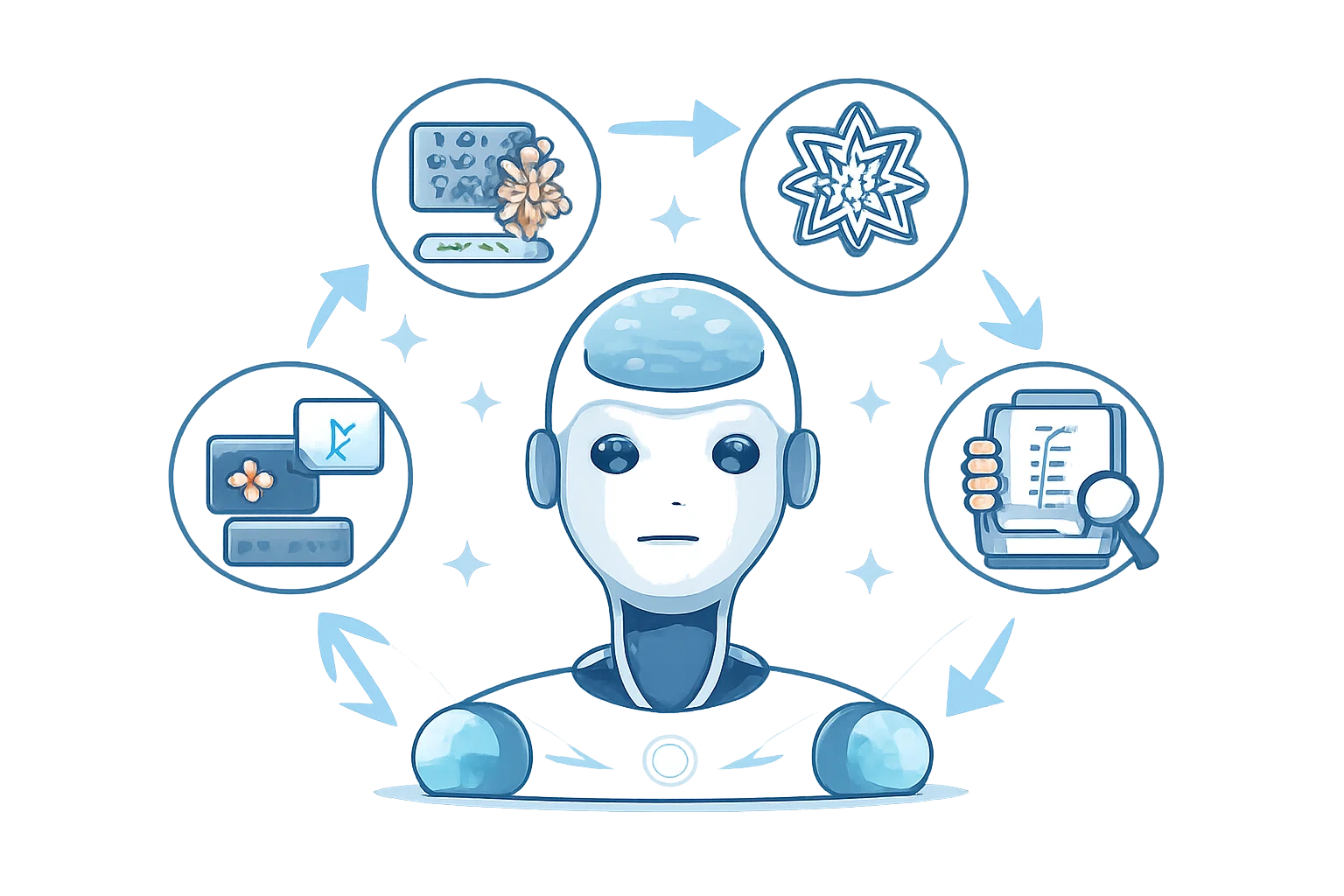
Understanding AI in Physical Therapy: Key Concepts and Technologies
AI in physical therapy is a game-changer. It combines cutting-edge technology with therapeutic practices. This fusion aims to optimize patient outcomes.
Central to AI in physical therapy are machine learning algorithms. These algorithms analyze patient data. They offer insights that can personalize treatment plans.
Wearable devices have become integral in this field. These gadgets track patient movements. They provide real-time feedback to therapists, enhancing care quality.
AI-powered virtual reality (VR) is another key technology. VR creates immersive rehabilitation experiences. It motivates patients and aids in faster recovery.
Predictive analytics in AI allows for proactive healthcare. It forecasts potential injuries and suggests preventive measures. This reduces the likelihood of complications.
Data collection and analysis form the backbone of AI in physical therapy. Large datasets offer insights into treatment efficacy. This data-driven approach supports evidence-based practices.
Understanding these technologies requires a grasp of several concepts. Each contributes uniquely to transforming physical therapy. Here's a snapshot of essential components:
- Machine Learning Algorithms: Personalize patient care plans.
- Wearable Devices: Monitor and report patient activity in real time.
- Virtual Reality Tools: Create immersive rehabilitation environments.
- Predictive Analytics: Offer insights for injury prevention.
The blend of these technologies continues to evolve. As advancements occur, their applications become more refined. The potential benefits of AI in physical therapy are vast and still expanding.
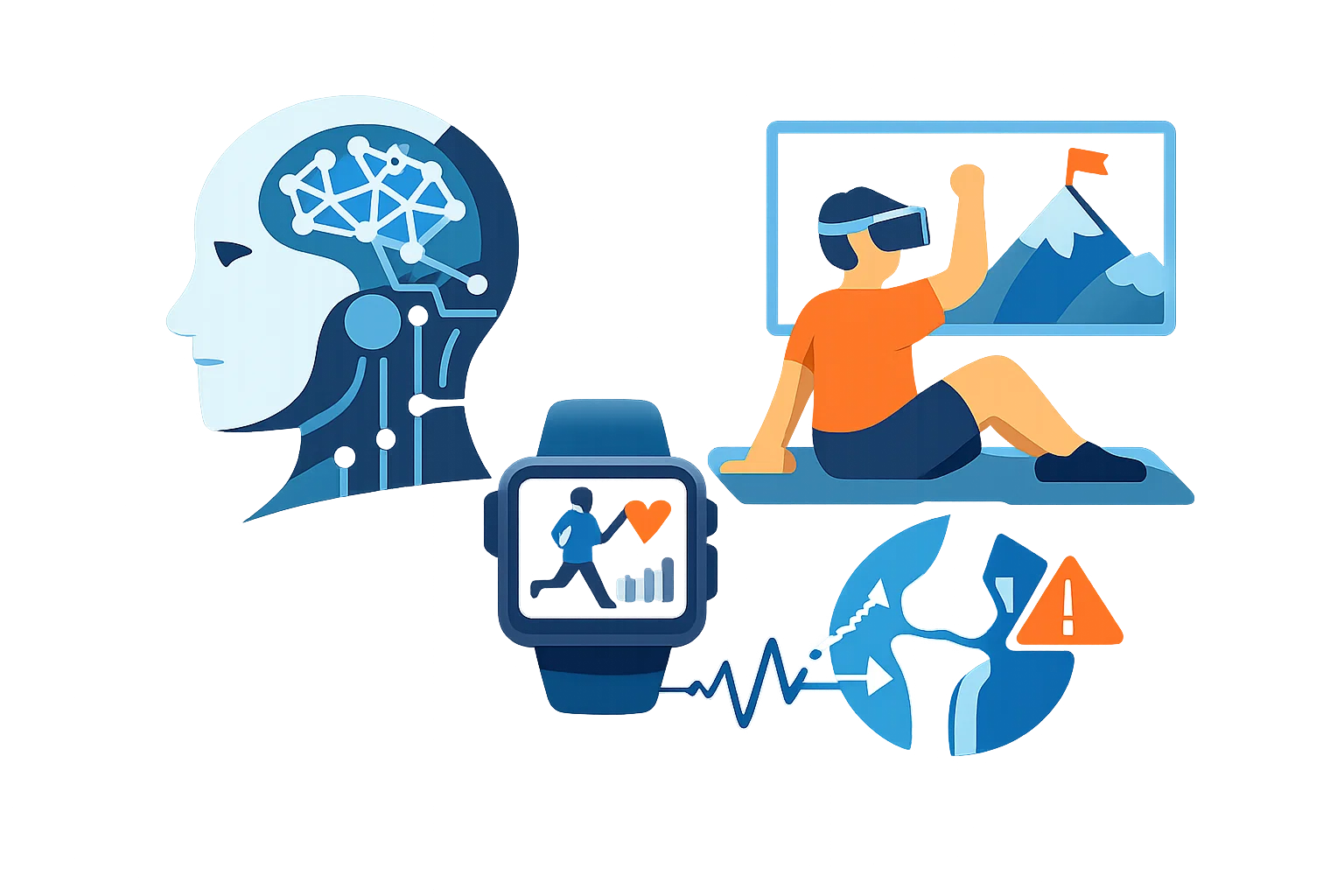
How AI Is Transforming Physical Therapy Practice
Artificial intelligence is reshaping how physical therapists work. It enhances diagnostics and streamlines treatment processes. Its impact is both profound and growing.
AI-driven tools provide a detailed understanding of patient conditions. These tools aid in creating accurate and efficient diagnoses. Consequently, therapists can deliver more targeted treatments.
Automation is another transformative aspect. AI handles routine administrative tasks. This allows therapists to dedicate more time to patient care.
The integration of virtual reality (VR) in therapy has gained momentum. VR helps patients through engaging, immersive rehab sessions. This approach accelerates healing by maintaining patient interest.
Remote care options have expanded with AI's integration. Patients benefit from virtual therapy sessions at home. This reduces the need for frequent clinic visits.
AI also supports therapy customization. Algorithms assess patient data continually. They suggest personalized modifications to treatment plans.
Here are some key transformative aspects:
- Diagnostics: AI enhances precision in condition assessment.
- Automation: Routine tasks are managed, freeing therapist focus.
- Virtual Reality: Offers immersive rehab experiences.
- Remote Care: Expands access to therapy sessions.
These innovations in AI expand the scope of physical therapy. They enhance the patient experience and improve outcomes. AI is undoubtedly a driving force in modernizing therapy practices.
The ultimate goal is to improve patient recovery rates. And AI is proving to be a crucial ally in this mission. As technology continues to develop, so will its influence on therapy.
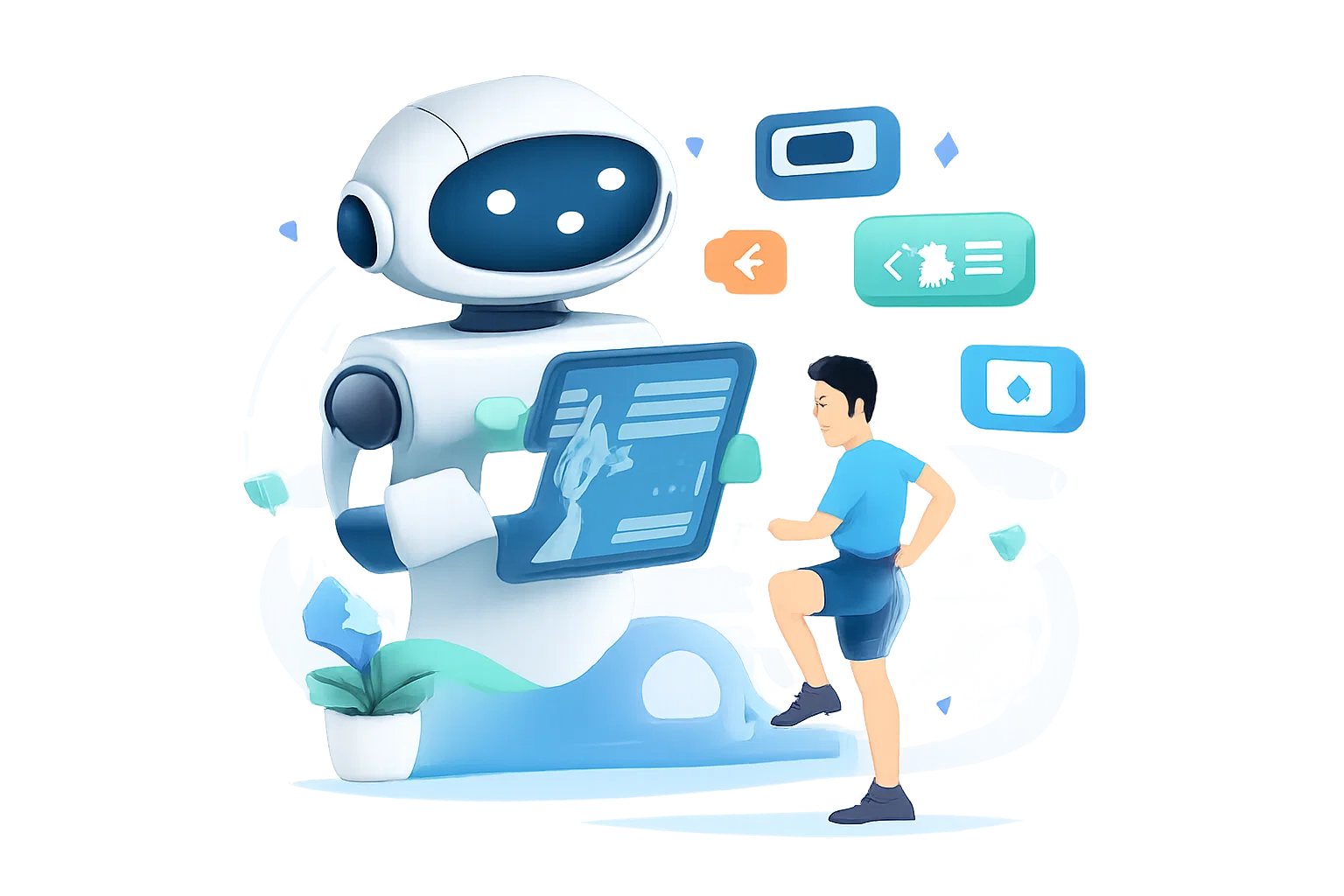
Core Applications of AI in Physical Therapy
Artificial intelligence offers versatile tools for physical therapy. Its role goes beyond enhancing diagnostic capabilities. Here, we explore how AI shapes core therapeutic applications.
AI excels in data collection. Large volumes of data can be quickly analyzed. This leads to more precise assessments and recommendations.
Virtual therapy options have grown. AI supports therapy through remote platforms. These tools ensure accessibility for those unable to attend clinics.
Documentation has traditionally been cumbersome. AI now automates these tasks with efficiency. This shift not only saves time but also enhances accuracy.
Predictive analytics are another key area. AI uses data to forecast potential injuries and recovery outcomes. Such insights help in proactive patient management.
Functional movement analysis benefits from AI's precision. It identifies movement patterns and issues promptly. This facilitates timely interventions.
Key applications of AI in physical therapy include:
- Data Collection: Efficiently gathers and processes patient data.
- Remote Therapy: Expands accessibility for home-based care.
- Automation: Reduces paperwork, improving service efficiency.
- Predictive Insights: Foresees possible recovery trends.
- Movement Analysis: Ensures accurate gait assessments.
AI applications aim to enhance therapy's effectiveness. Patients experience improved outcomes and engagement. This makes therapy a more dynamic, patient-focused practice.
Innovations in AI continue to set new standards. They redefine how therapists deliver care and measure progress. As the technology progresses, its potential will further unfold.

Data Collection and Analysis
AI's ability to collect and analyze data is transformative. It creates a comprehensive view of patient health. This detailed insight supports personalized therapy strategies.
Data from wearable devices is a key source. These devices track movements and provide real-time feedback. As a result, therapists can continually refine treatments.
AI analyzes patterns within this vast data pool. It helps identify underlying issues. Such knowledge is used to tailor personalized care plans.
Benefits of AI in data management include:
- Continuous monitoring via wearable devices
- Real-time feedback for immediate adjustments
- Pattern recognition for personalized treatment
AI-driven data management promotes precise therapy. It ensures that each session is aligned with current needs. This maximizes the potential for successful outcomes.
Virtual and Remote Therapy Support
Virtual therapy support has expanded significantly with AI. Patients can now engage in therapy from their homes. This enhances accessibility and convenience for many.
AI-powered platforms provide structured therapy sessions. They mimic in-clinic exercises and offer personalized guidance. This allows patients to maintain their therapy schedules efficiently.
The use of video and AI enhances communication. Real-time feedback is given to correct movements. This ensures that patients perform exercises accurately.
Features of AI-supported virtual therapy include:
- Home-based exercise programs
- Interactive guidance with immediate feedback
- Video support for effective communication
These technologies minimize the need for clinic visits. They provide consistent support and motivation. This helps maintain therapy momentum and improves patient adherence.

Automated Documentation and Reporting
Documentation is a crucial element of physical therapy. AI systems automate this process effectively. This reduces time spent on paperwork, enhancing productivity.
AI captures data during therapy sessions. It automatically generates reports that are detailed and precise. This improves tracking and allows focus on patient care.
Errors in documentation can affect patient outcomes. AI systems enhance accuracy in record-keeping. This ensures high-quality reporting and informed decision-making.
Advantages of AI in documentation include:
- Automated reporting with reduced errors
- Time-efficient documentation processes
- Improved accuracy and detail in patient records
These systems have made administration smoother. They free therapists to concentrate on clinical tasks. This balance enhances overall service quality.
Predictive Analytics for Injury Prevention and Recovery
Predictive analytics is a dynamic AI application. By analyzing data, AI can forecast potential injuries. This insight aids therapists in preventing these issues early.
Recovery paths are equally predictable. AI evaluates past cases to estimate future recovery trends. This informs therapy decisions and optimizes outcomes.
Strategies can be adjusted based on predictions. Each patient receives a care plan tailored to future needs. This ensures continuous, effective treatment adjustments.
Key predictive analytics applications:
- Injury risk prediction and prevention
- Forecasting recovery durations
- Tailoring treatment based on predicted trends
Predictive analytics enhances foresight in therapy plans. It refines interventions to ensure proactive management. This approach limits setbacks and accelerates recovery.
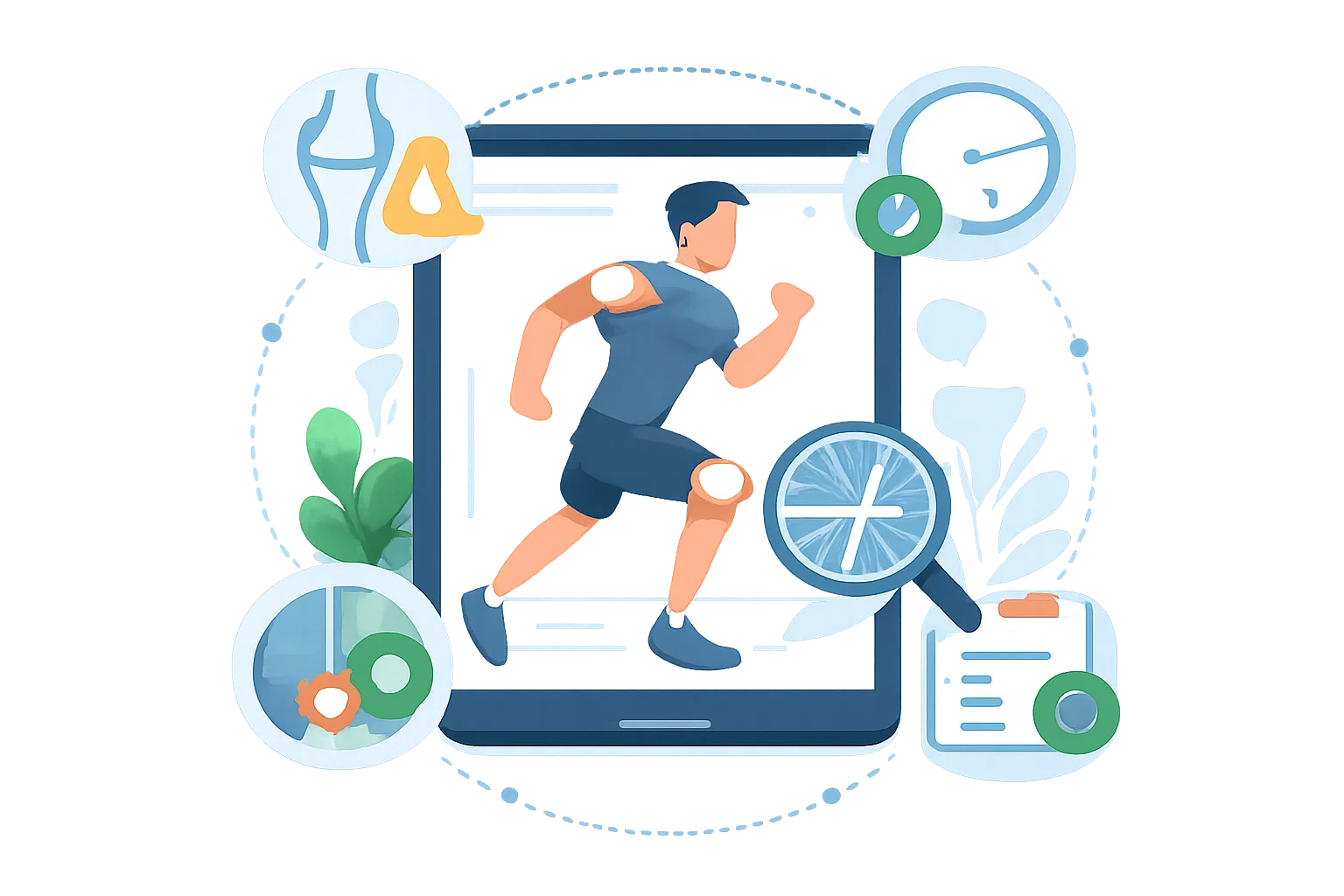
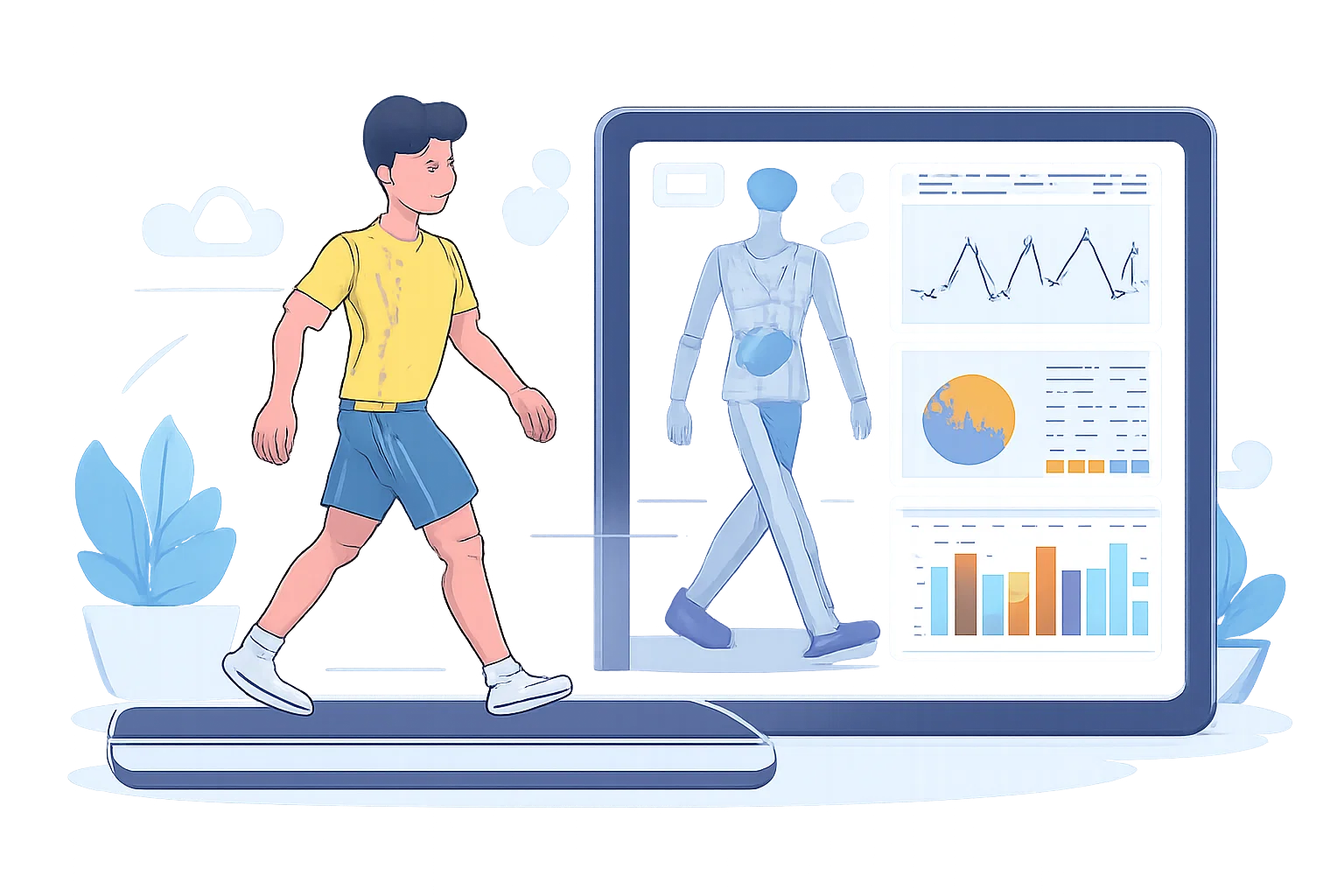
Functional Movement and Gait Analysis
Functional movement analysis is essential in therapy. AI systems deliver detailed gait analysis. It helps therapists detect abnormalities promptly.
These systems evaluate every step and action. This precise observation identifies subtle movement issues. Therapists can then design corrective interventions quickly.
AI in gait analysis doesn't just identify problems. It monitors improvements over time. This offers insights into therapy effectiveness and areas needing adjustment.
Functional movement analysis features include:
- Detailed scrutiny of gait and movement
- Identification of movement anomalies
- Progress tracking to ensure continued improvement
These analyses ensure targeted interventions. They provide vital data to support quality treatment. As such, they form a cornerstone of modern therapy practices.
Benefits of AI for Physical Therapists and Patients
Artificial intelligence offers numerous benefits in the realm of physical therapy. It amplifies the efficiency and effectiveness of therapeutic interventions. Both therapists and patients gain from this technological integration.
For physical therapists, AI optimizes workflow. Administrative burdens are significantly reduced. This allows therapists to focus more on patient interaction and care.
AI enhances diagnostic capabilities. Therapists can identify issues with greater precision. This speeds up the initiation of effective treatment plans.
Patients benefit from AI through personalized therapy. Treatment plans are tailored to individual needs. This customization increases the likelihood of achieving desired outcomes.
Rehabilitation often requires intense monitoring. AI provides real-time insights into patient progress. Adjustments can be made instantly to align with current conditions.
The accessibility of care sees marked improvement. AI-supported remote therapy reaches patients unable to visit clinics. It breaks geographic barriers, ensuring more people receive needed care.
Patient engagement improves with AI-driven tools. Interactive platforms motivate consistent participation. Adherence to therapy plans increases, enhancing recovery efficiency.
Primary benefits of AI in physical therapy:
- Streamlined administrative processes
- Enhanced diagnostic precision
- Customizable and adaptive treatment plans
- Real-time progress monitoring
- Increased accessibility and patient engagement
Embracing AI creates a holistic therapeutic environment. Patients experience more responsive and adaptive care. Therapists enjoy a streamlined workflow, enhancing service delivery quality.
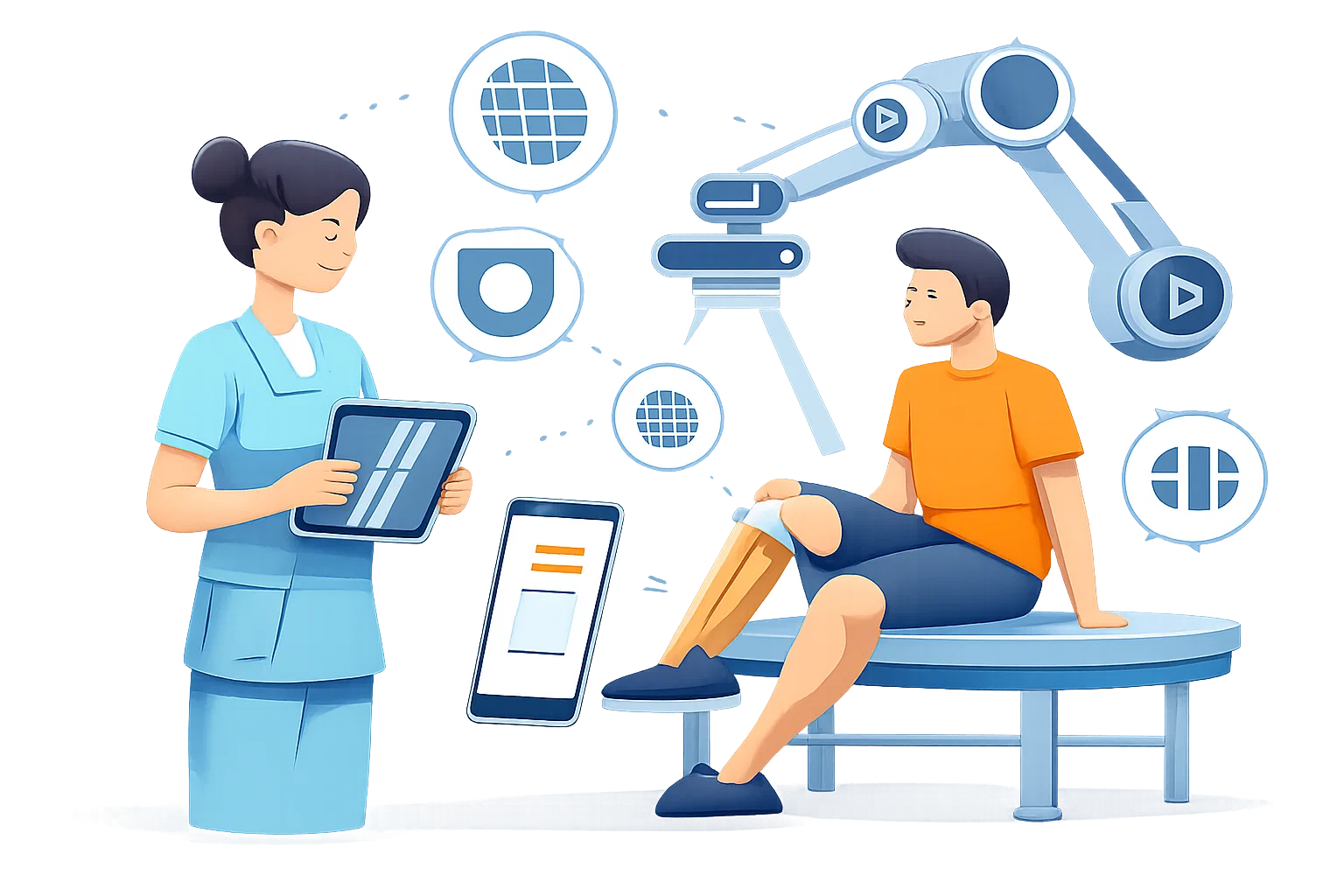
AI revolutionizes patient care from diagnosis to treatment completion. It empowers therapists and supports patients, fostering a more dynamic, integrated approach to healthcare. As AI progresses, even more advantages will emerge, cementing its role in the future of therapy.
Challenges and Limitations of AI in Physical Therapy
Despite the promising benefits, AI in physical therapy faces several challenges. One primary issue is the cost of implementation. Advanced AI systems require significant investment, which can be a barrier for smaller clinics.
Technical expertise is another hurdle. Many healthcare providers lack the necessary skills to operate complex AI systems. This gap necessitates specialized training programs, which can be both time-consuming and costly.
Data privacy is a critical concern. AI systems process vast amounts of patient information. Ensuring data security and compliance with regulations like HIPAA is paramount.
Ethical considerations also arise with AI deployment. The potential for AI to make decisions that impact patient outcomes demands rigorous scrutiny. Maintaining human oversight remains crucial to ensuring ethical standards.
AI systems may struggle with unpredictability in human behavior. Physical therapy requires nuanced understanding and adaptation, areas where AI may fall short. The inability to interpret human emotions as adeptly as humans is a limitation.
Integration within existing healthcare infrastructures poses logistical challenges. AI systems must seamlessly fit into established workflows. Disruption to normal operation can pose risks to patient care continuity.
Key challenges in implementing AI in physical therapy:
- High initial setup costs
- Need for specialized training
- Ensuring data privacy and compliance
- Ethical issues and decision-making limits
- Handling unpredictability in patient behavior
- Integration with existing healthcare systems
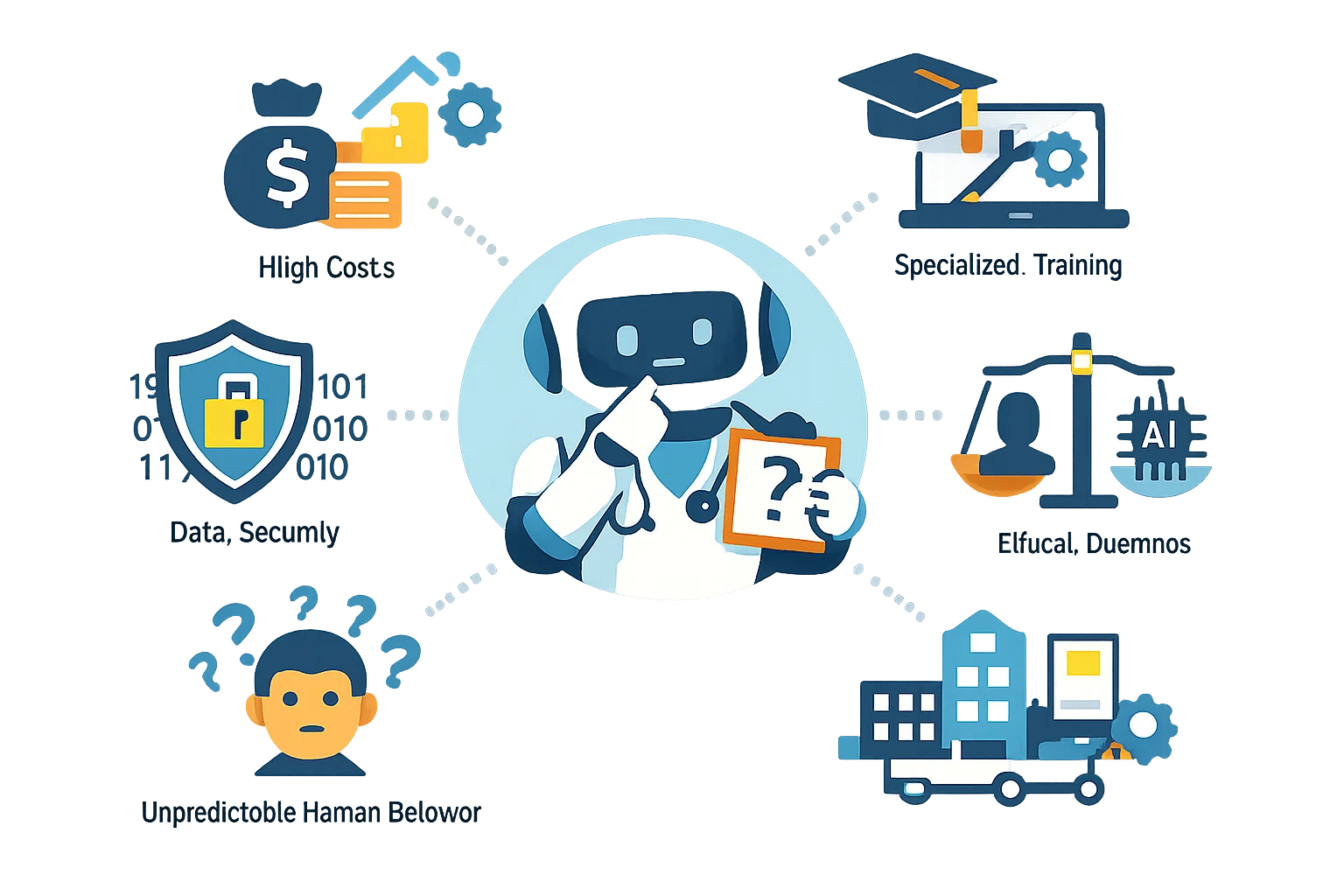
Addressing these challenges requires collaborative efforts. Stakeholders must work together to develop cost-effective, secure, and ethically sound AI solutions. As these obstacles are overcome, AI will evolve, benefiting physical therapy greatly.
Ethical, Legal, and Privacy Considerations
AI in physical therapy necessitates careful consideration of ethical implications. These technologies can profoundly affect patient outcomes, so maintaining accountability is essential.
Legal frameworks must evolve to address AI advancements. Current regulations may not fully cover the complexities of AI-driven treatments. Ensuring compliance with existing laws is a priority.
Protecting patient privacy is paramount. AI systems handle sensitive health data, requiring robust security measures. Breaches can harm patient trust and lead to legal repercussions.
The balance between innovation and ethical practice is delicate. While AI promises enhanced care, it must not replace the human touch in therapy. Ensuring AI systems are used as tools, not replacements, is crucial.
Public and professional education about AI's capabilities and limitations can help. These discussions can prevent misuse and foster transparency. Clear communication ensures that both patients and professionals are informed.
Key considerations for AI in physical therapy:
- Ethical use of AI-driven decisions
- Evolution of legal frameworks
- Robust patient data protection
- Balancing technology and human interaction
- Education to prevent misuse
Stakeholders must collaborate to address these considerations. This collaboration can ensure that AI enhances care while safeguarding ethical values. Proper oversight will foster trust and acceptance among professionals and patients alike.
The Future of AI in Physical Therapy: Trends and Innovations
The integration of AI in physical therapy continues to advance, promising exciting possibilities. Emerging trends highlight the transformative potential of AI technologies in healthcare.
One significant trend is the increasing use of AI-powered wearables. These devices can track patient movements and provide real-time data. Their precision helps tailor personalized rehabilitation programs.
Machine learning models are also gaining traction. These AI systems analyze vast datasets to predict patient outcomes more accurately. They assist therapists in developing evidence-based treatments.
Virtual reality (VR) combined with AI is another innovative approach. VR environments offer immersive experiences for rehabilitation. AI enhances these systems by adapting exercises to patient progress.
AI's role in preventive care is expanding as well. By analyzing patterns, AI can foresee potential injuries or setbacks. This predictive ability is crucial for early intervention.
Emerging Innovations in AI Physical Therapy:
- AI-powered wearable technologies
- Machine learning models for data analysis
- Integration of AI with virtual reality
- Predictive analytics for preventive care
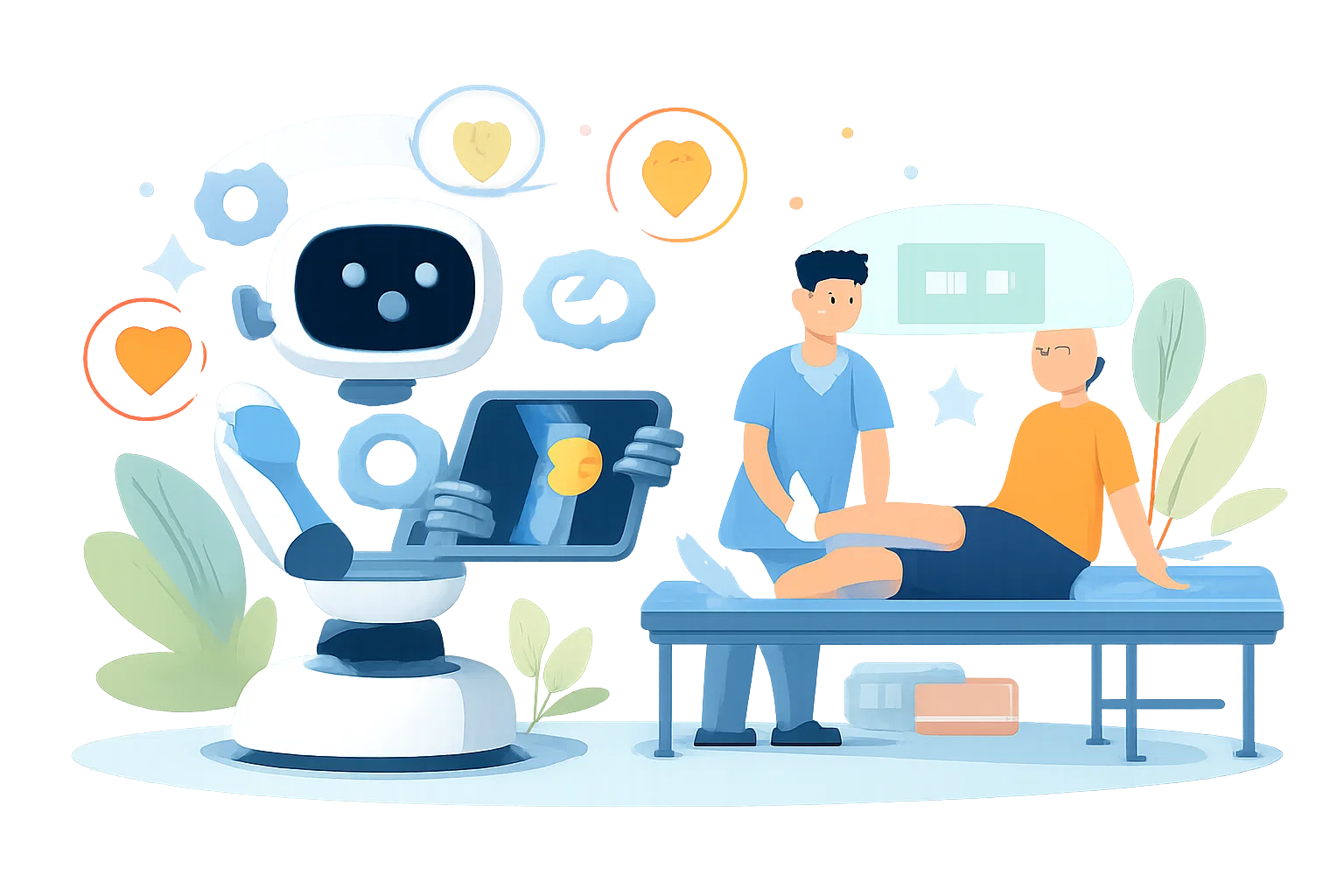
AI is also making remote physical therapy more viable. Telehealth platforms enhanced with AI can deliver therapy sessions from afar. This accessibility is particularly beneficial for patients in remote areas.
As AI continues to evolve, therapists must adapt. Ongoing education and training will ensure they leverage these tools effectively. The future of AI in physical therapy is poised for remarkable growth, offering improved care and patient outcomes.
How to Integrate AI into Physical Therapy Practice
Incorporating AI into physical therapy practice requires strategic planning and careful execution. Understanding how AI tools fit into daily operations is crucial. Start by evaluating the existing technology infrastructure.
Training is a key step in the integration process. Equip therapists with knowledge about AI systems and their functionalities. Comprehensive training ensures confidence in using new tools effectively.
Integration should also focus on patient interaction. Share AI's benefits with patients to ease any apprehension. Encourage feedback to improve AI implementation continuously.
Steps for Effective AI Integration:
- Assess current technology capabilities
- Provide thorough training for therapists
- Educate patients on AI benefits
- Gather feedback for ongoing improvement

Collaboration is vital throughout this process. Engage with AI developers to customize solutions that meet your practice's needs. This partnership can enhance AI application effectiveness and tailor therapies to individual patients. By thoughtfully integrating AI, physical therapy practices can offer enhanced care, streamline operations, and improve patient outcomes.
Conclusion: Embracing the AI-Driven Future of Physical Therapy
Artificial intelligence is set to revolutionize physical therapy profoundly. Embracing this technology opens doors to personalized patient care and streamlined processes. By integrating AI, therapists can tap into data-driven insights that were once out of reach.
AI offers opportunities for precision in treatment plans. It aids in comprehensive assessments and innovative rehabilitation approaches. Such advancements promise improved outcomes and increased patient satisfaction.
While challenges exist, the potential benefits of AI in physical therapy are immense. As we move forward, the focus should be on collaboration and adaptability. By welcoming AI into the fold, physical therapists can provide top-notch care and drive the field toward new heights. The future, augmented by AI capabilities, is not just promising but necessary for evolving healthcare demands.