

FDA AI Guidance: Data Integrity Challenges
FDA’s 2025 TPLC guidance makes data integrity central to AI medical device safety, requiring PCCPs, GMLP, model transparency, and continuous monitoring.
FDA’s 2025 TPLC guidance makes data integrity central to AI medical device safety, requiring PCCPs, GMLP, model transparency, and continuous monitoring.

AI prioritizes wearable health data by combining rule-based alerts, machine learning, and edge hybrid devices for faster, more accurate spine and chronic care.
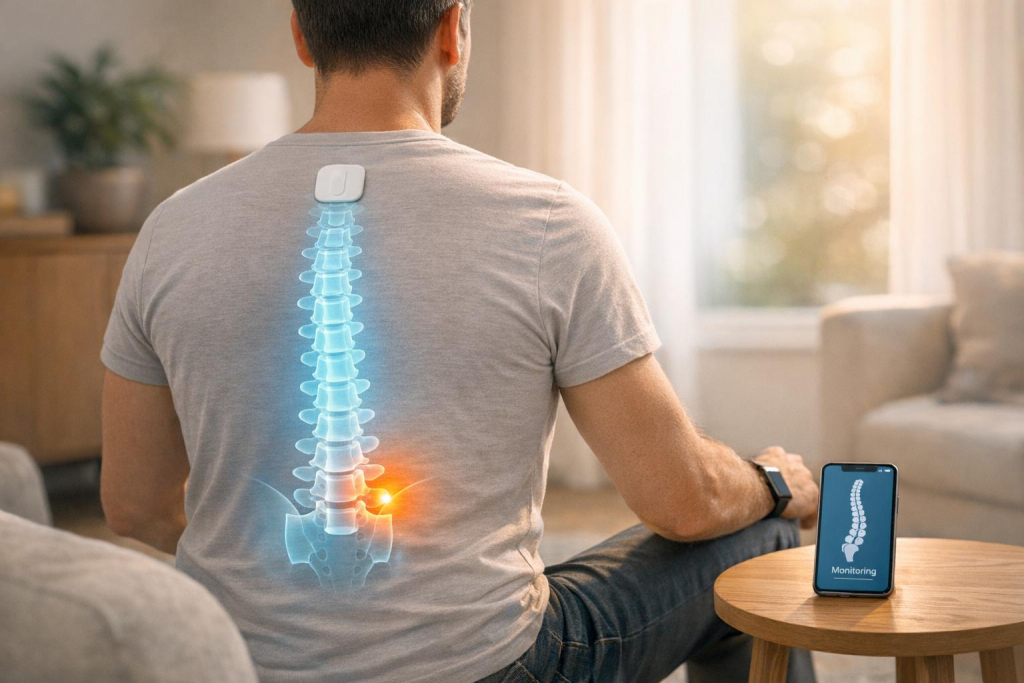
AI-powered remote monitoring uses wearables, imaging, and multisensor algorithms to detect spine movement anomalies for earlier detection and personalized care.
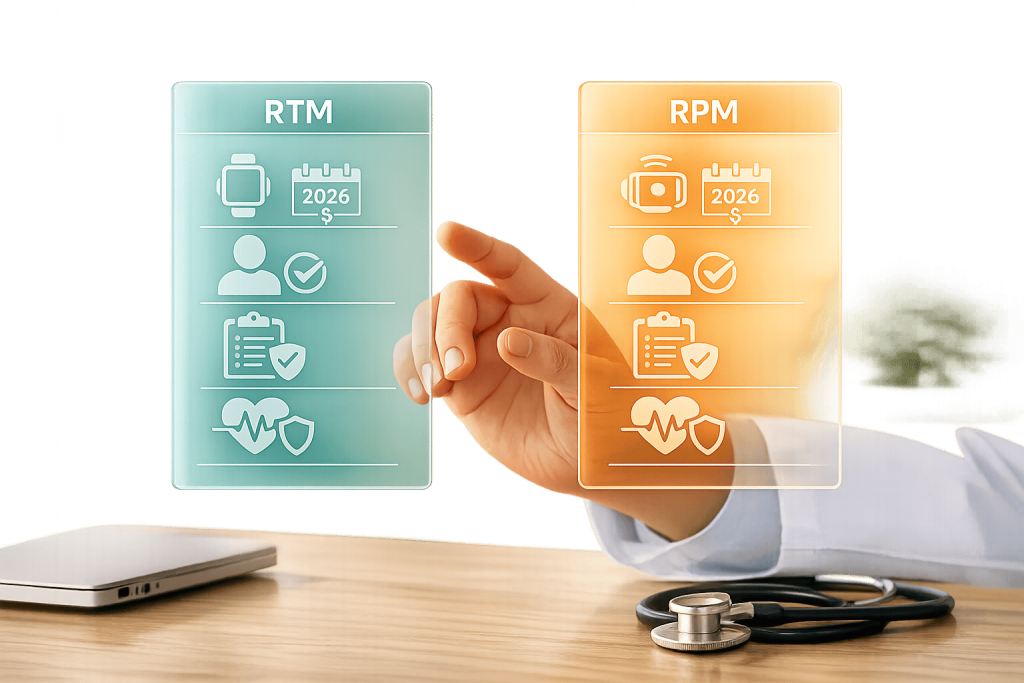
Compare RTM and RPM: device requirements, 2026 billing updates, patient selection, documentation, and monitoring protocols for clinicians.

Continuous AI monitoring with wearables detects subtle MS changes early, turning passive data into actionable insights for patients and clinicians.

Wearable sensors and FHIR standards enable secure integration of continuous heart, sleep, and activity data into AI-analyzed, EHR-ready health profiles.

AI-powered wearables enable continuous monitoring, early risk detection, and personalized interventions that reduce hospitalizations and improve chronic care.
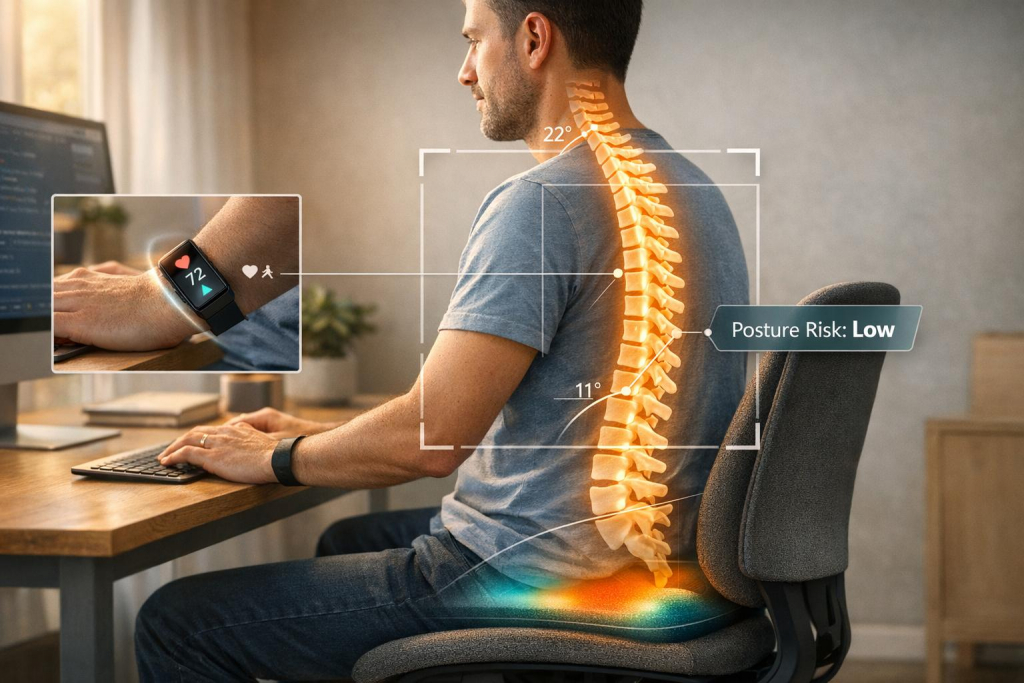
ML-driven posture monitoring using cameras, wearables, and pressure sensors predicts risks and personalizes spine care.
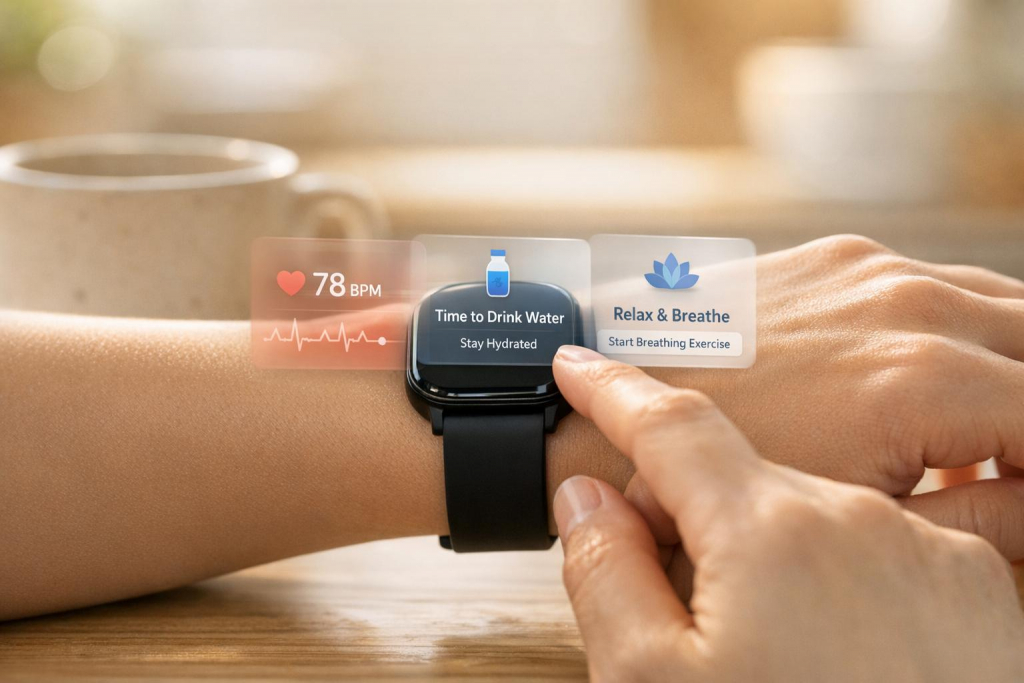
AI-driven wearables continuously reshape interfaces to deliver accessible, real-time health insights and personalized interactions.

How the FDA’s QMSR (replacing QSR) raises testing, design control, software validation, and risk-management requirements for Class II/III wearable devices.