
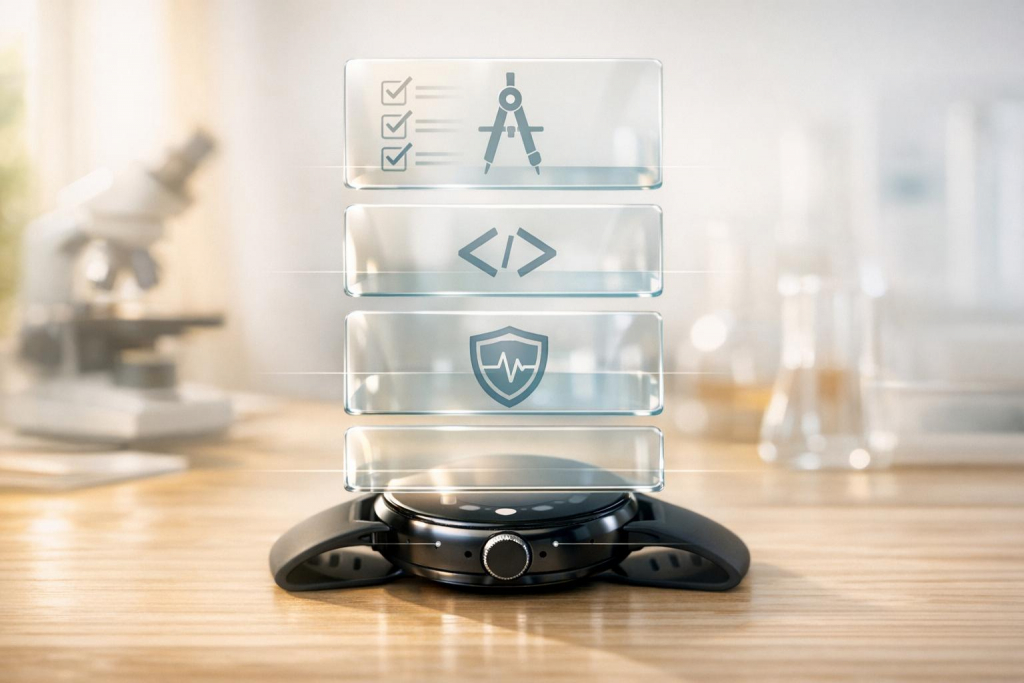
How FDA QSR Impacts Wearable Device Testing
How the FDA’s QMSR (replacing QSR) raises testing, design control, software validation, and risk-management requirements for Class II/III wearable devices.
How the FDA’s QMSR (replacing QSR) raises testing, design control, software validation, and risk-management requirements for Class II/III wearable devices.
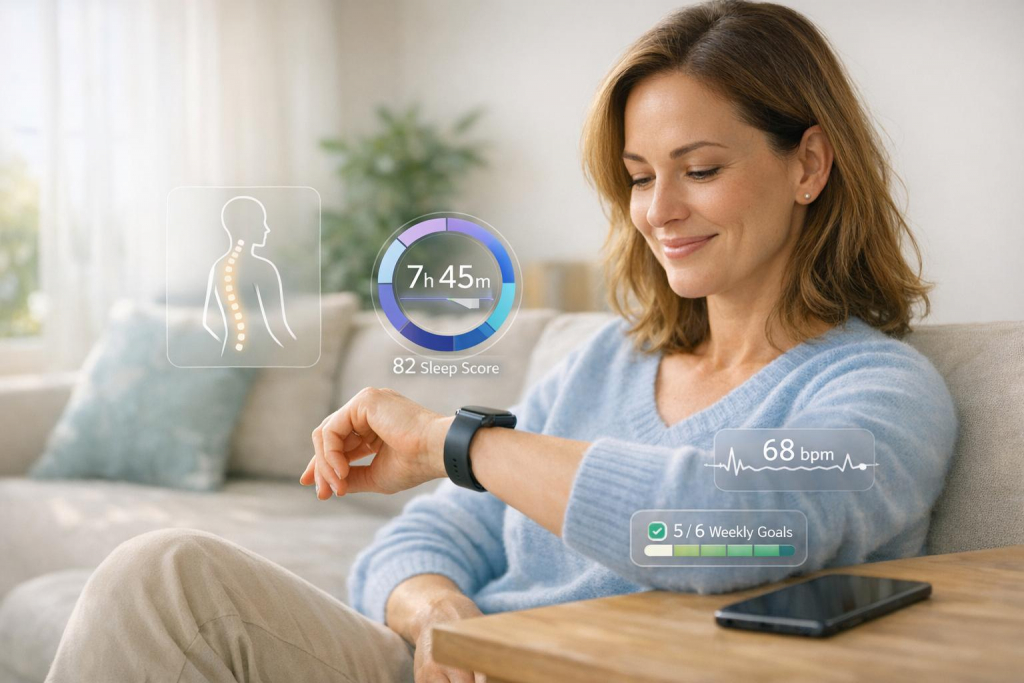
AI-powered wearables analyze posture, sleep, and vital signs to deliver real-time personalized health advice, adaptive goal tracking, and chronic care support.
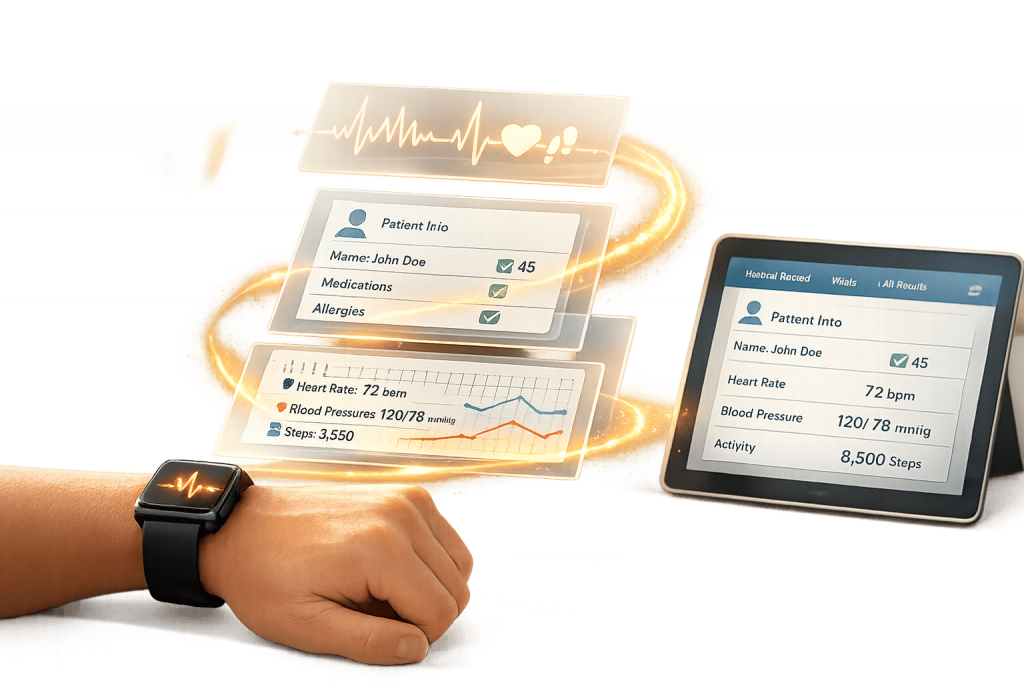
AI turns noisy wearable signals into standardized FHIR records, enabling secure EHR integration, personalized predictions, and fewer false alerts.
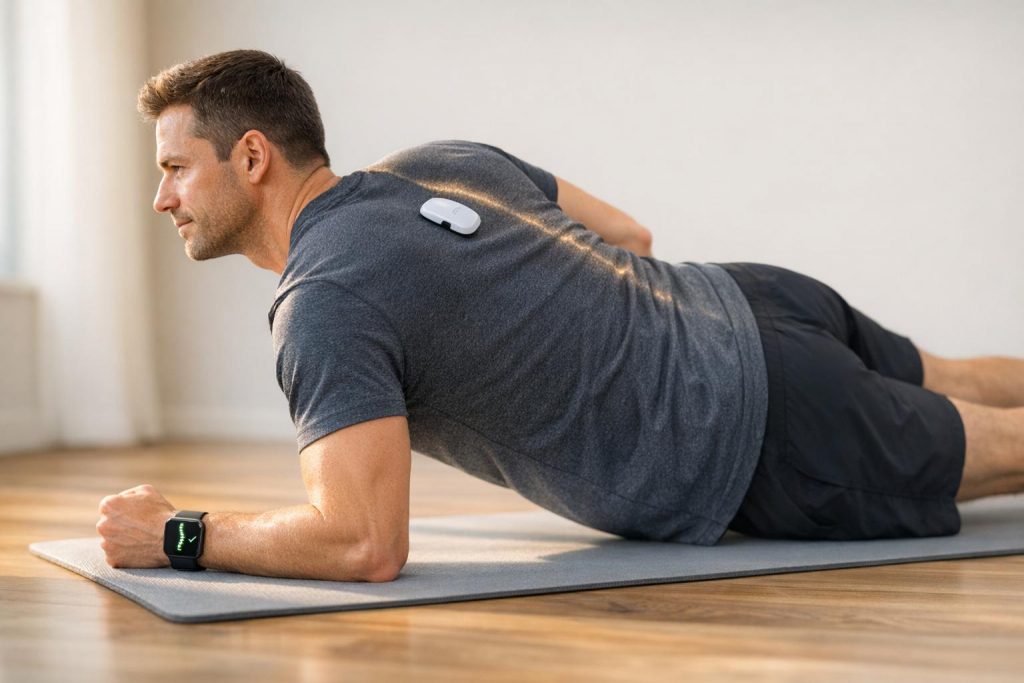
AI wearables monitor spine alignment, give instant vibration alerts, and track data to reduce back pain and prevent exercise injuries.
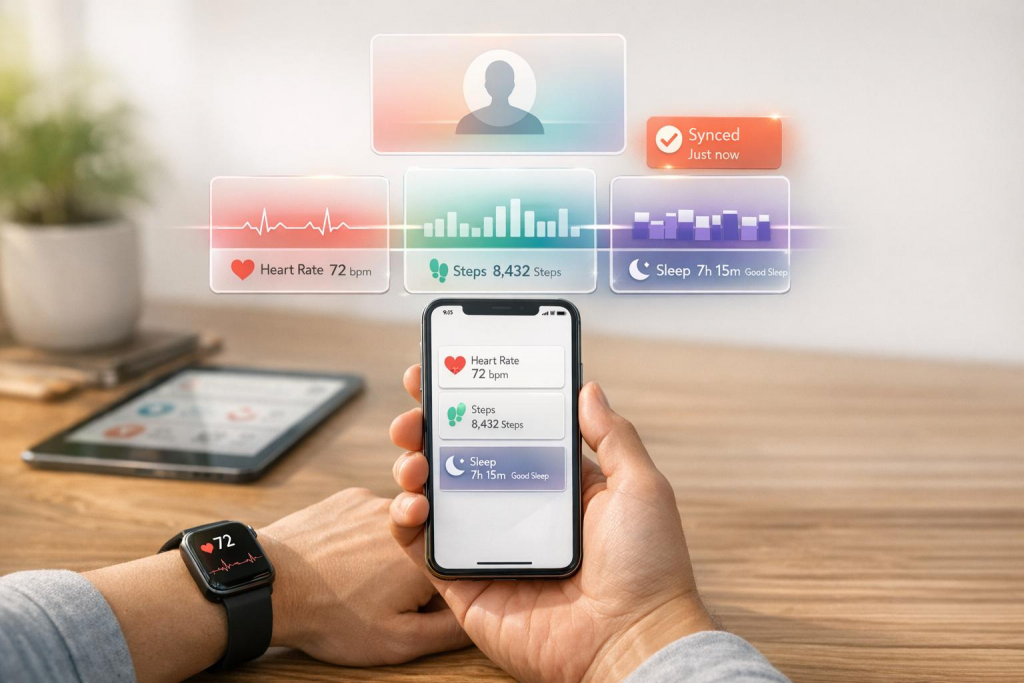
AI syncs wearable health data across devices, corrects timing and format errors, builds unified health profiles, and delivers real-time personalized alerts.
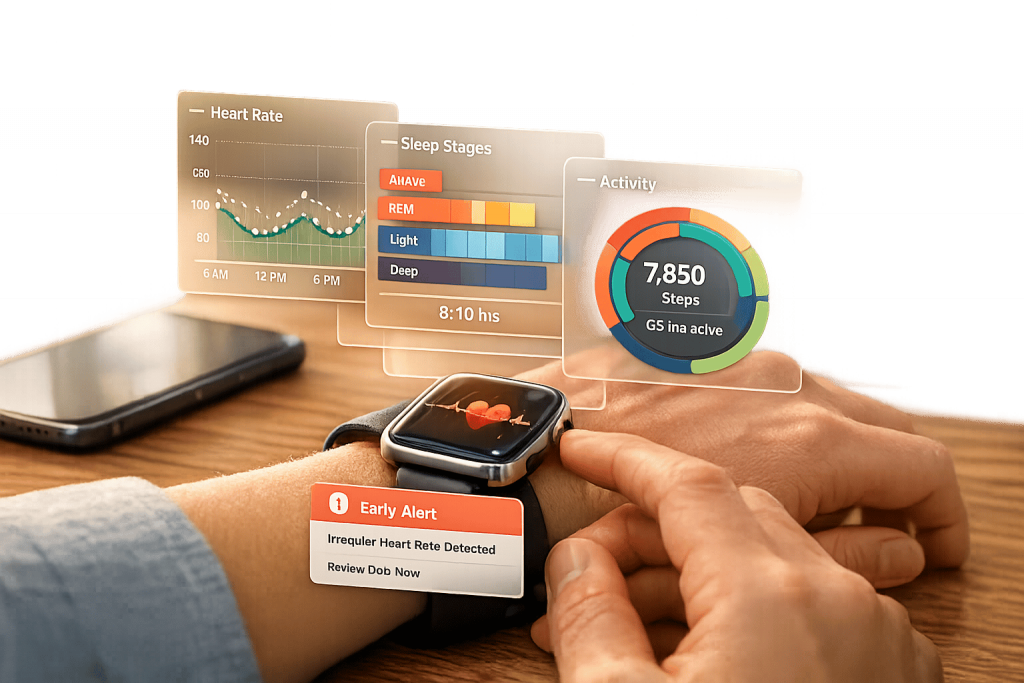
How interactive charts, dashboards, and wearable integrations turn raw sensor data into clear, actionable health insights for monitoring and early detection.
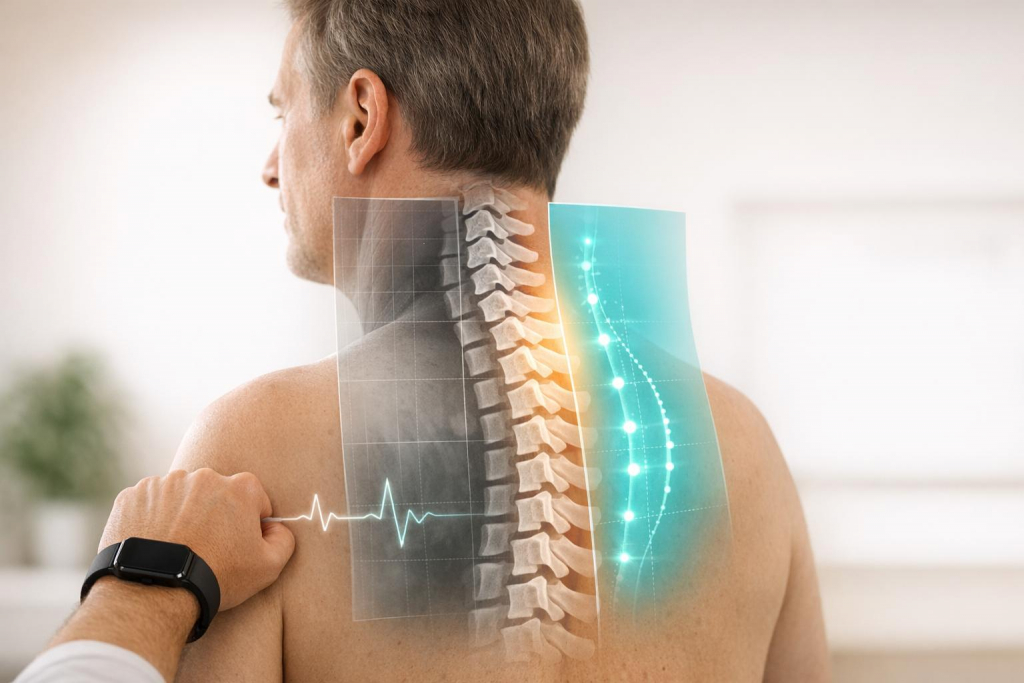
AI transforms spine care by delivering faster, more accurate imaging analysis, predictive outcomes, and real-time wearable monitoring.
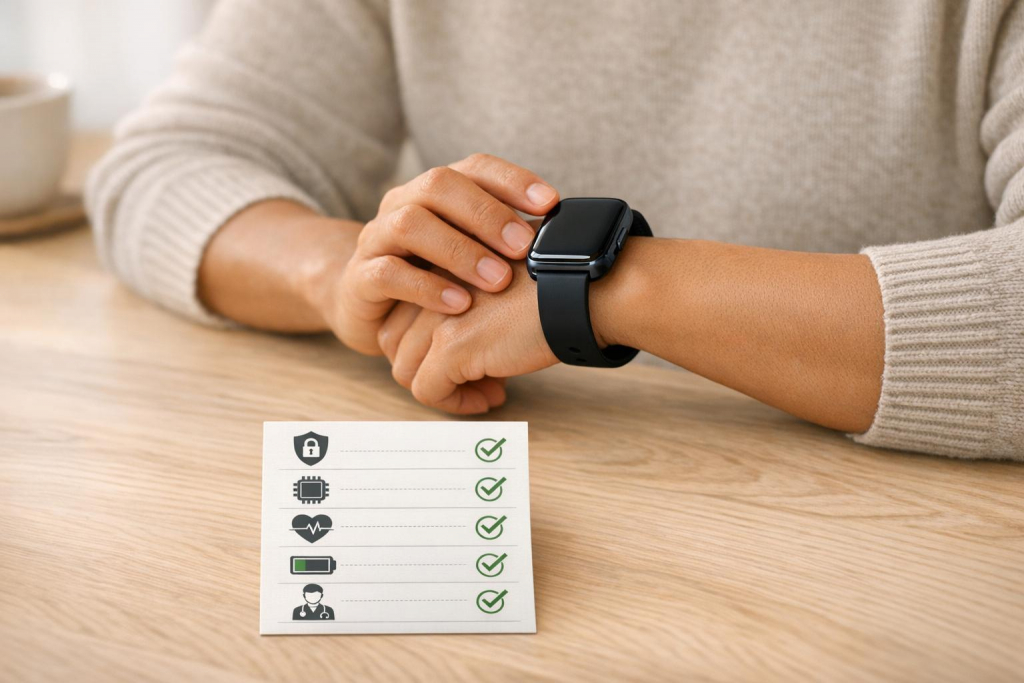
Checklist to choose FDA-cleared, AI-enabled health monitors with accurate sensors, strong data security, long battery life, and provider integration.
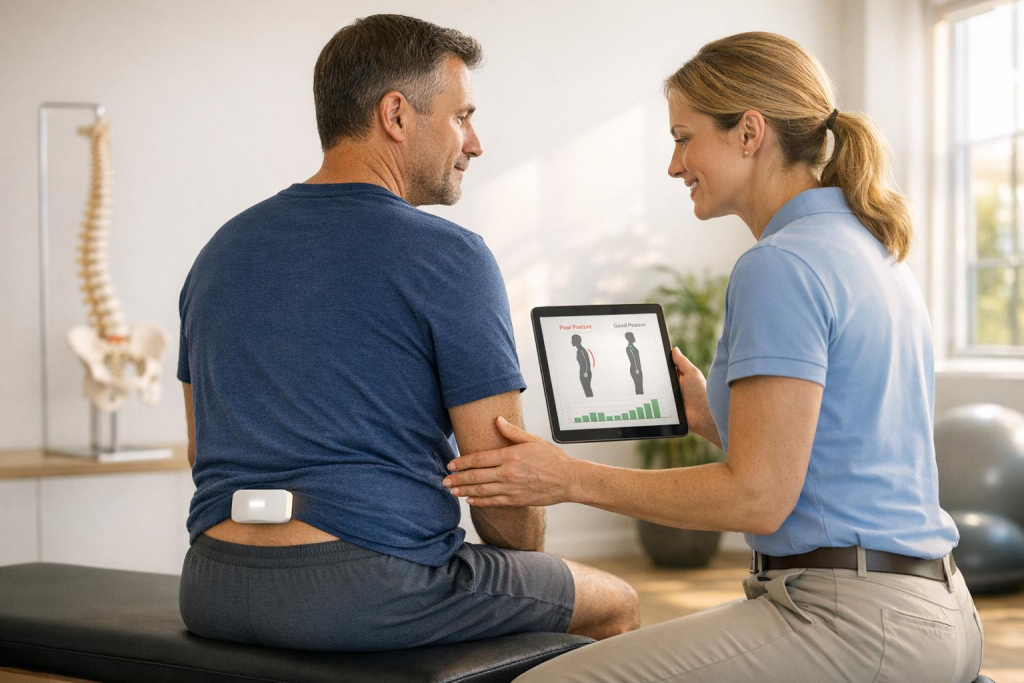
Compare AI wearables and physical therapy for back pain—monitoring, hands-on care, cost differences, and why combining both often improves recovery.
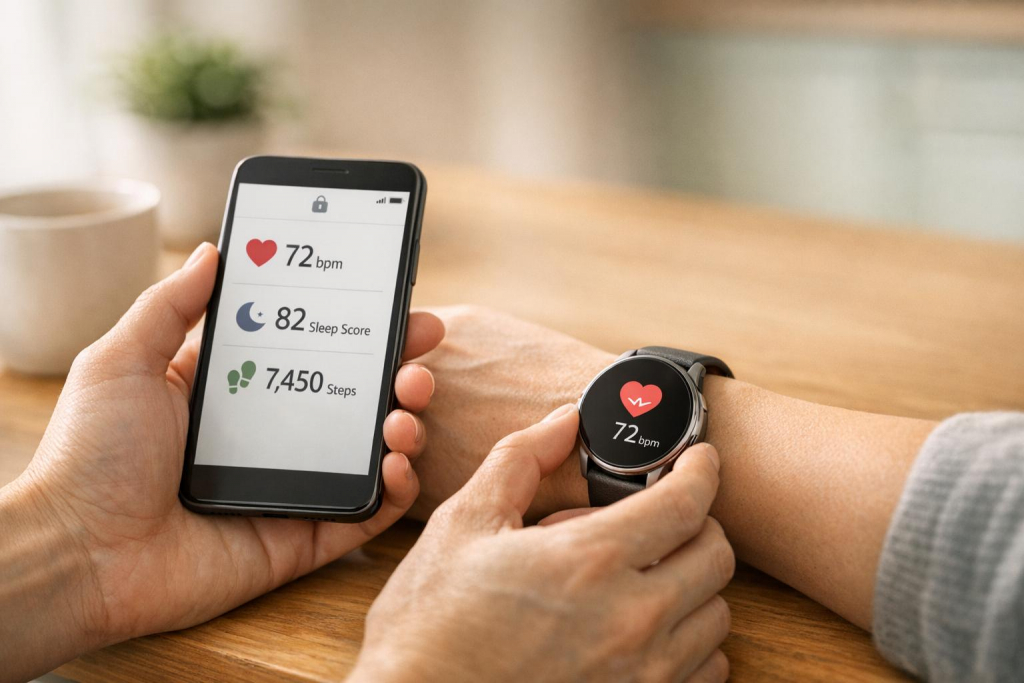
Wearable health devices deliver continuous vital monitoring and AI-driven insights that aid prevention and chronic care—but accuracy, privacy, and usability limits remain.